


The Surprising Ways the Size of Your Jaw Can Affect Your Health

Cronin & Czarnik Orthodontics • January 20, 2023

A small or narrow upper jaw is often behind some of the common orthodontic problems Dr. Cronin and I treat, including crowded top teeth and crossbites. But, did you know, aside from the appearance of your smile, the size of your jaw can also have a direct effect on your overall health and wellbeing?

Research shows a small jaw is tied to:

  • Stuffy Noses and Sinus Issues

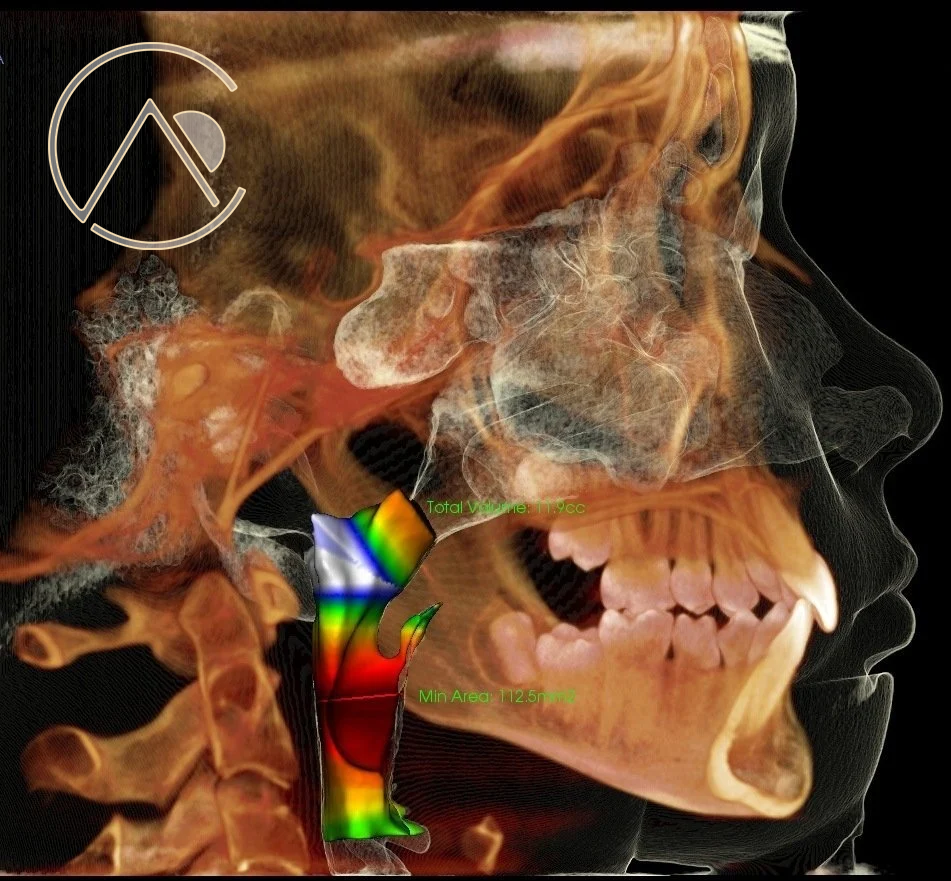
Your palate (the roof of the mouth), which is part of the bone that forms the upper jaw, called the maxilla, is the base of your nose. Yup, that means when the upper jaw or palate is narrow, the floor of the nose is also narrow.

A narrow nasal cavity makes you more susceptible to stuffy noses and sinus issues. It also interferes with your ability to properly breathe through your nose in general.  

Nasal breathing is actually incredibly important. In a review published in Current Trends in Otolaryngology and Rhinology , the authors noted that nasal breathing gives us our sense of smell, enhances oxygen absorption by the lungs, filters out impurities and humidifies and warms the air we breathe. It’s also crucial for craniofacial development, head posture, TMJ function and more. 

  • Mouth Breathing

If you can’t breathe out of your nose properly, you’re forced to breathe out of your mouth. Mouth breathing is fine when you’re doing intense exercise or you have the occasional cold. But when it’s chronic, it becomes a huge problem. And since mouth breathing usually happens at night during sleep, people often don’t notice that they or their child are even doing it. 

When you’re constantly breathing through your mouth, the body has to compromise to ensure there is enough oxygen in the blood at the expense of other biological functions. This can cause a host of consequences, including sleep-disordered breathing. 

In young children who are still growing, mouth breathing and jaw development are a double-edged sword. Nasal obstruction from a small upper jaw can cause mouth breathing, but mouth breathing can also cause a small upper jaw and nasal obstruction, as well as other skeletal changes. 

Chronic mouth breathers frequently develop a long, narrow face, receding chin and narrow dental arch. As the permanent teeth erupt, crowding, a crossbite and poor tongue posture are then much more likely. 

  • Sleep-Disordered Breathing, Including Obstructive Sleep Apnea

There are a number of different causes of sleep apnea and other types of sleep-disordered breathing like upper airway resistance syndrome. But the mouth breathing we talked about above is a big one. 

With a small upper jaw, there isn’t enough room for the tongue to rest in the proper position. It can sit lower and further back than it should. Kids and adults may also have weakened oral muscles. The tongue and lax tissues can then obstruct the airway during sleep, temporarily stopping breathing, which is called obstructive sleep apnea. 

Sleep-disordered breathing causes poor quality sleep, decreased oxygen intake, which stresses internal organs, including the brain, and constant adrenaline surges during sleep.

In adults, sleep apnea produces symptoms, including:

  • Daytime fatigue
  • Concentration difficulties
  • Cognitive impairment
  • Decreased libido
  • Depression

It also significantly increases the risk for:

  • Diabetes
  • Heart disease
  • High blood pressure
  • Stroke 

In kids, the symptoms of sleep-disordered breathing are different. Unlike adults whose first sign there is a problem is fatigue, kids tend to get hyperactive instead. The sleep deprivation and reduced oxygen intake can cause:

  • Bedwetting
  • Loss of appetite
  • Lack of focus 
  • Behavioral problems, including aggression
  • Increased risk of attention deficit hyperactivity disorder (ADHD)
  • Headaches
  • Poor school performance

  • Disrupted Stress Response

Stanford researchers published a study in the journal BioScience exploring the epidemic of health conditions caused by small jaws. One of the many interesting topics covered was stress. 

Stress interrupts sleep but poor quality and quantity of sleep caused by sleep-disordered breathing also causes stress, creating a dangerous feedback system. 

The authors said that this results “in more or less constant sympathetic arousal.” With the body’s stress response chronically activated, it takes a toll on physical, emotional and psychological health. 

  • Jaw Pain and Temporomandibular Joint (TMJ) Dysfunction

The teeth and jaw are part of your larger dental and facial system, which also includes the lips, tongue, facial muscles and temporomandibular joints. When one component is off, such as in the case of a too-small upper jaw, it throws everything else off too. 

This bite imbalance puts stress on the TMJ and jaw, potentially causing jaw pain, discomfort and TMJ disorders. It also increases your risk for teeth grinding and clenching (bruxism), which makes the pain and dysfunction even worse. 

  • Neck Pain and Headaches

Speaking of bruxism and TMJ disorders, both problems can cause headaches on their own. Combined with airway obstruction and malocclusion (a bad bite ) from a small jaw, things can get pretty painful. 

The review published in Current Trends in Otolaryngology and Rhinology I talked about earlier noted that people with an obstructed airway commonly have a forward head posture. Holding the head forward stresses the cervical spine and neck muscles, causing pain and, over time, nerve compression and spinal issues. 

Another study in the Journal of Oral Rehabilitation of patients with TMJ disorder and airway resistance syndrome (a form of sleep-disordered breathing) also found most had a forward head posture and suffered from neck pain and headaches.

  • Inflammation

Many of the issues on this list, including sinus problems, sleep deprivation from sleep-disordered breathing, TMJ disorder and bruxism can contribute to persistent inflammation. 

When teeth are crowded because of a small jaw and narrow dental arch, it may exacerbate the issue. Because crowded teeth are harder to effectively clean, you have a higher risk of developing tooth decay and periodontal disease, or gum disease. 

According to a 2019 article in Disease-A-Month Journal , “As periodontal disease works on the same chronic inflammation model seen in systemic diseases, there is sufficient evidence to suggest a bi-directional link between the two.” In basic terms, this means gum disease is tied to other inflammatory health conditions, including heart disease, respiratory disease, diabetes and stroke.

The Good News? All of These Issues are Preventable

Now that I’ve probably freaked you out, let’s talk about the bright side. There have been so many advancements in airway-focused orthodontics. At Cronin & Czarnik Orthodontics, we use different techniques to widen the upper jaw in order to prevent, intercept or treat malocclusion and the related airway and breathing problems. 

In children and younger teens, the two halves of the maxilla aren’t fused yet. So we can use a Schwartz appliance or other palate expander to push the halves apart and expand the jaw. Eventually, new bone forms in the center, stabilizing the expansion. This can lead to significant improvements in quality of life.

Starting treatment when kids still have some of their baby teeth ensures when the permanent teeth come in, they’ll have enough room to erupt centered in the bone. This means less crowding and avoiding the need for extractions or surgical correction. 

As for adults, while in the past palatal expansion wasn’t possible without orthognathic surgery (jaw surgery), that’s changing. Dr. Cronin and I offer a cutting-edge, non-surgical technique known as maxillary skeletal expansion (MSE), also called miniscrew-assisted rapid palatal expansion (MARPE), for certain cases. 

We place a palatal expander and secure it with temporary implants in the palate. We do all of this in the office with just local anesthesia. The expander widens the upper jaw to treat a crossbite, crowding and other types of malocclusion with the benefit of also being a minimally invasive form of obstructed airway treatment. 

Airway Orthodontics in Westminster, Colorado

Ready to find out how airway treatment and palatal expansion can help you breathe easier and smile more confidently? Book a complimentary consultation at Cronin & Czarnik Orthodontics today! Our practice serves patients of all ages in Westminster, Arvada, Denver and the surrounding areas using state-of-the-art technology and evidence-based techniques. 

Share this article

Recent Posts

By Cronin & Czarnik Orthodontics July 9, 2026
Learn why wearing your retainer for life helps prevent teeth from shifting after braces or Invisalign. Protect your smile with expert orthodontic advice.

June 19, 2026
Looking Beyond the Latest Acronym If you've been researching adult palate expansion online, you've probably come across a confusing list of terms: MARPE MASPE MSE Custom MARPE FME Hybrid Expanders Bone-Borne Expanders It can seem like every few months there is another acronym claiming to be the "new" or "better" way to expand the upper jaw. So what's the difference? The answer is surprisingly simple: Most of these names describe very similar concepts, and often the differences are in appliance design or how the appliance is activated—not an entirely new treatment philosophy. At Cronin & Czarnik Orthodontics, we've been providing skeletal expansion for years. More importantly, we were early adopters of slow activation protocols long before the term "MASPE" became popular. Our philosophy has always been to treat the biology—not the buzzwords. What is MARPE? MARPE stands for Mini-Implant Assisted Rapid Palatal Expansion . Despite the word "rapid," MARPE simply refers to an expander that is supported by temporary mini-implants (TADs) placed in the palate. Unlike traditional expanders that rely mostly on the teeth, MARPE transfers much of the expansion force directly into the upper jaw bone, making it possible to successfully expand many older teenagers and adults who have completed growth. MARPE has transformed orthodontics by allowing many patients to avoid more invasive surgical procedures while achieving true skeletal expansion. Then What is MASPE? MASPE generally stands for Mini-Implant Assisted Slow Palatal Expansion . Here's the important part: MASPE is not a completely different appliance. In most situations, it is simply a MARPE appliance that is activated differently. Instead of prescribing aggressive daily turns, the appliance is activated much more gradually, allowing the surrounding bone, sutures, and facial structures additional time to adapt. In other words: Same appliance. Different protocol. This distinction has become increasingly recognized because clinicians have learned that many adult patients respond better to slower, more biologic expansion than the traditional "rapid" approach. We Were Using Slow Expansion Before It Had a Name One of the exciting parts of orthodontics is that techniques continue to evolve. Sometimes the science changes. Sometimes the terminology changes even faster. Long before the phrase "MASPE" became common, our office had already transitioned toward slower, more controlled activation for many patients. Why? Because our clinical experience—and the growing body of research—showed that every patient responds differently. Rather than forcing every patient into the same schedule, we individualized treatment based on: Age Bone maturity Suture response Comfort CBCT imaging Overall treatment goals Airway considerations That philosophy continues today. Why We Prefer a Slow, Customized Approach Every patient's biology is different. Some patients respond quickly. Others require more time. Some benefit from stretching protocols before active expansion. Others progress with very minimal activation. Our goal isn't simply to make the screw turn. Our goal is to achieve stable skeletal expansion while minimizing unnecessary stress on the teeth, gums, and surrounding bone. A slower protocol may offer advantages such as: Improved patient comfort Better control of tooth movement Reduced unwanted dental tipping More gradual adaptation of surrounding tissues More predictable biologic response There is no single activation schedule that works for every patient. Why Are There So Many Different Names? Orthodontics has always been full of evolving terminology. Over the past several years you've likely seen names such as: MARPE MASPE MSE FME Custom MARPE Bone-Borne Expansion Hybrid Expansion Each represents a variation in appliance design, engineering, or activation philosophy. Sometimes these innovations are meaningful. Sometimes they're primarily different ways of describing similar concepts. The most important question isn't: "Which acronym is best?" Instead ask: "Does my orthodontist have experience diagnosing the right patients and customizing treatment for my anatomy?" That question has a much bigger impact on success than the letters attached to the appliance. Expansion is About More Than Creating Space Many people assume expansion is only used to make room for crowded teeth. While that is certainly one benefit, widening a narrow upper jaw may also help: Correct crossbites Improve smile width Create room for proper tongue posture Improve bite function Support healthier nasal breathing in appropriately selected patients Potentially reduce the need for tooth extractions Every patient is unique, which is why a comprehensive evaluation—including digital scans and 3D CBCT imaging—is essential before recommending treatment. Experience Matters Adult skeletal expansion has become increasingly popular over the past decade. As with any advanced orthodontic procedure, success depends on much more than purchasing a particular appliance. It requires: Careful diagnosis Detailed 3D treatment planning Appropriate appliance selection Customized activation schedules Close monitoring throughout treatment Knowing when to speed up—or slow down—the process At Cronin & Czarnik Orthodontics, skeletal expansion is one of our areas of expertise. We've been helping both children and adults with airway-focused orthodontics and customized MARPE treatment for years, and we continue to refine our protocols as new evidence emerges. Rather than chasing the newest acronym, we focus on what has always mattered most: Providing personalized, biologically respectful treatment that gives each patient the best opportunity for a healthy, stable, and lasting result. Wondering if You're a Candidate? Whether you've heard the terms MARPE, MASPE, MSE, or another variation, the first step is the same: a comprehensive evaluation. At Cronin & Czarnik Orthodontics, we'll determine whether skeletal expansion is appropriate for you, explain your options, and develop a customized treatment plan based on your unique anatomy—not the latest trend. Schedule your complimentary consultation today to learn whether MARPE or another expansion approach is right for you.

Why Age 7 Is Oldschool Thinking: The Case for Earlier Orthodontic Evaluations
By Cronin & Czarnik Orthdontics April 10, 2026
At Cronin & Czarnik Orthodontics, we often hear the same question from parents: “When should my child first see an orthodontist?” The American Association of Orthodontists recommends that children have their first...
Close-up of a smiling mouth showing white teeth and pink lips
By Cronin & Czarnik Orthodontics March 19, 2026
At Cronin & Czarnik Orthodontics, we’ve built a reputation as one of Colorado’s leading providers of advanced airway-focused orthodontic treatments—especially MARPE (Miniscrew-Assisted Rapid Palatal Expansion). One of the most common...
Ask Me Anything About My MARPE Treatment
By Cronin & Czarnik Orthodontics February 16, 2026
An interview with Julie, age 39 — Cronin & Czarnik Orthodontics patient At Cronin & Czarnik Orthodontics, we believe the most powerful way to understand treatment is to hear directly...
MARPE: The Greatest New Treatment in Orthodontics
By Cronin & Czarnik Orthodontics January 7, 2026
Orthodontics is evolving—and at Cronin & Czarnik Orthodontics, we are proud to be at the forefront of one of the most impactful advances the profession has seen in